
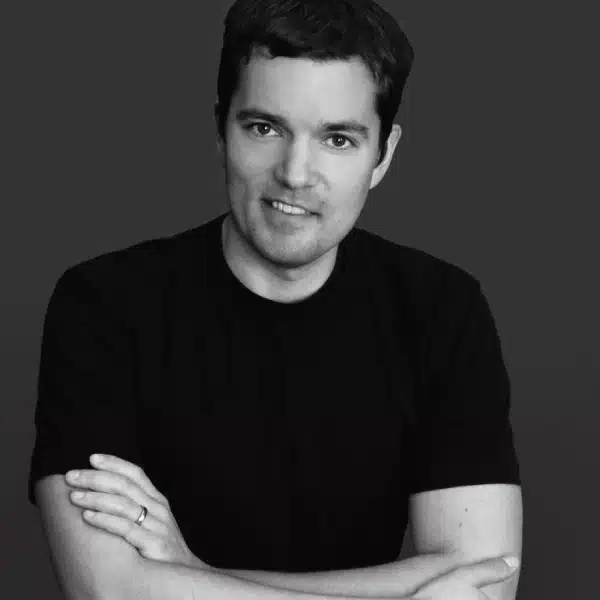


Remesh Ramachandran
CISO / AI Security Researcher
TK Group

“Thank you Next IT Security for an amazing and inspiring day surrounded by so many incredible people! It is always so motivating to listen to passionate individuals sharing their experiences and insights.”
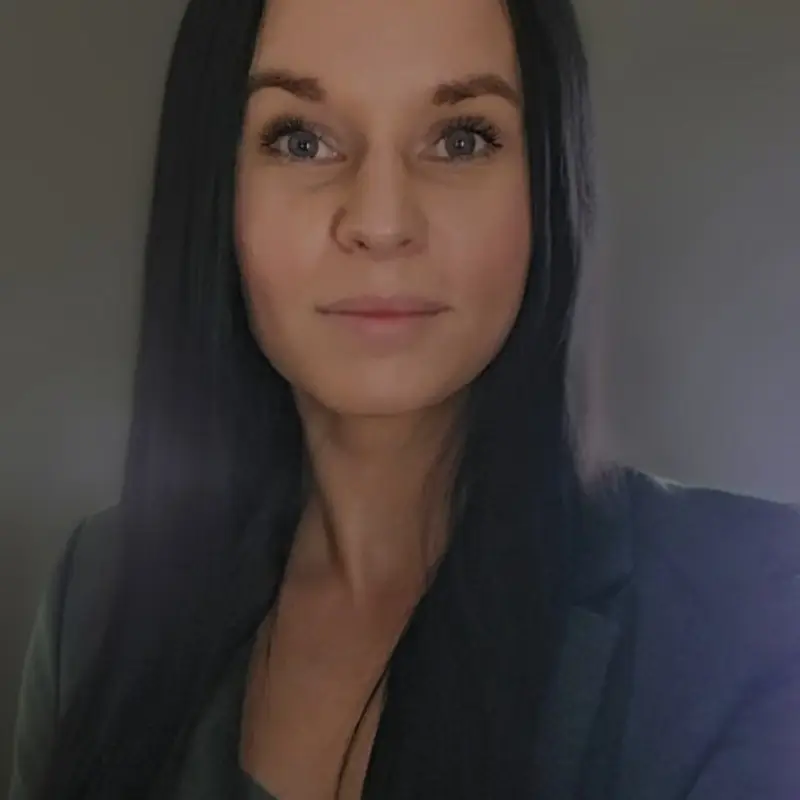 Jessica BjurlerstamSOC AnalystSwedbank
Our Executive Editions meet behind closed doors — three cities, invitation only. The Grand Edition is the one day those doors open, and every level of the security team is welcome inside.
All-access, every level of the security team. Here's what you need to know before you apply for access.
The Grand Edition · Stockholm
Keynotes, fireside chats and roundtable moderators — speaking to the whole room, not just the CISO.
CISO / AI Security Researcher
TK Group
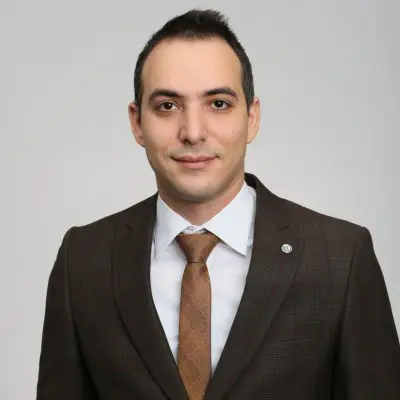
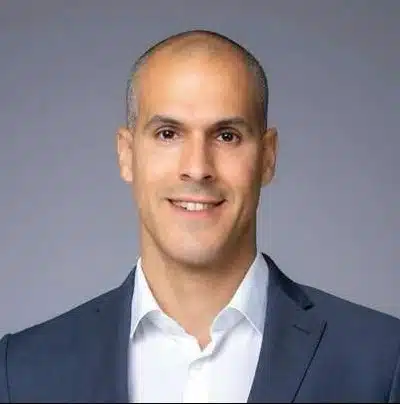
Head of Cyber Exercise Team
CR14 | Locked Shields & Crossed Swords | NATO CCDCOE

Deputy CIO for Cybersecurity (NATO), Cybersecurity Director (EU Council)
NATO / Council of the European Union

CISO
NATO Communications and Information Agency

Head of Cyberspace and New Technologies Laboratory
INTERPOL

Cyber Division Attaché to Europol / Joint Cybercrime Action Taskforce
FBI

CISO
European Investment Bank
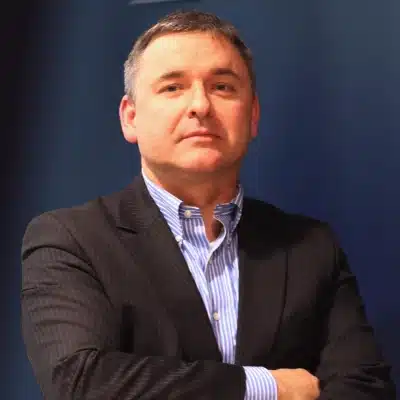
Head of Digital Security (Cybersecurity) Division
European Central Bank
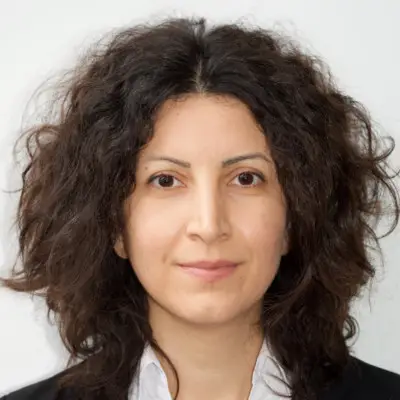
Global Head of Cyber Risk
Allianz
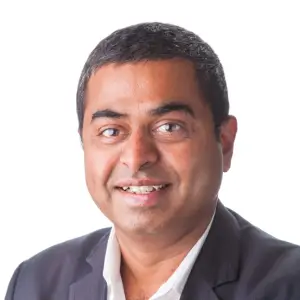
Managing Director and Global Head of Emerging Technology Risks
BNP Paribas
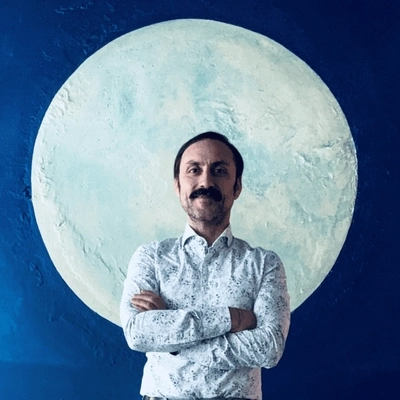
Global Chief IT Security Services Officer
GEA Group
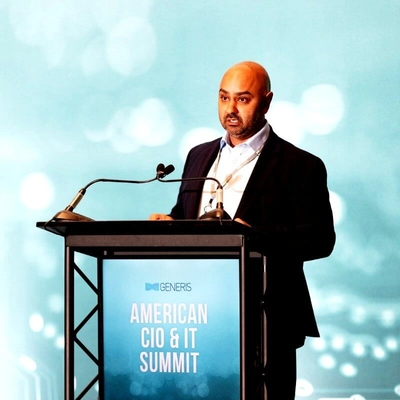
Head of Cyber GRC
dmg media

Managing Director of IT
FedEx

CISO
World Health Organization*

CXO and CISO
Velory

CSO
Piab Group

Business Information Security Officer (BISO)
Nordea Bank
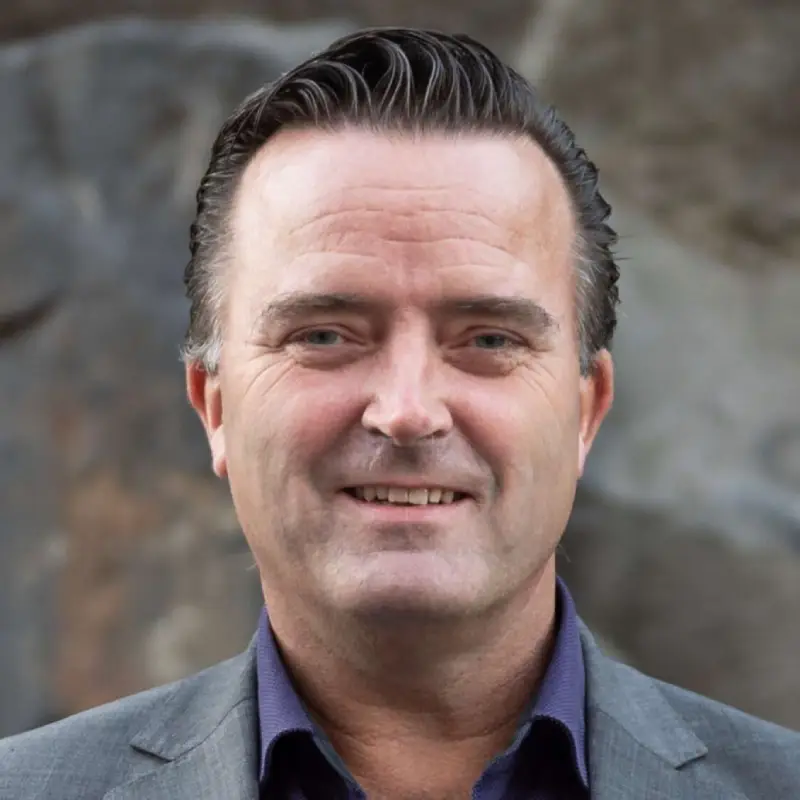
Kriminalkommisarie / Police Superintendent
Swedish National Police SC3

PBAB Redovisning och Revision AB

Information Security Strategy
Grundskoleförvaltning - Göteborg stad

Chief Information Security Officer (CISO)
Hellenic Parliament
The Intel Room names the challenge. The Show Room answers it. Then back into the Intel Room — a step further along.
No vendors on stage, no breakout rooms. Thirty roundtables, three focus areas — choose your table, your topic, your people. All off the record.
No trade-show floor, no booth to rent, no magnets. Just technical product presentations that answer what the room just discussed in the Intel Room.
Pitch the CISO and the engineer who'd implement your solution, in the same room, at the same time.
Speak to the whole buying committee at once, not just the CISO.
Network across your whole team, not just whoever usually gets the invite.
No partner sets this agenda — you do. Pick one roundtable per rotation, up to four off-the-record conversations across the day.
Click onTap any roundtable to view the full brief and moderators.
AI agents are moving from assisting employees to performing tasks, accessing systems and making decisions. This discussion explores how organisations can introduce autonomy without losing control over access, behaviour and accountability.
The growth of applications, APIs, service accounts and AI agents is creating an identity environment in which non-human identities may outnumber human users. This session examines how organisations can regain visibility and control.
Security cannot be added after AI has already entered production. This discussion examines how security, privacy and governance can be incorporated into AI architecture from the outset.
AI systems can behave unexpectedly even when they operate within their intended parameters. This session explores how organisations can detect, investigate and contain harmful or unreliable AI behaviour.
AI introduces a new ecosystem of models, datasets, APIs, platforms and external providers. Each dependency can introduce vulnerabilities that are difficult to identify through traditional security assessments.
The value of AI depends heavily on access to enterprise data, but this creates significant exposure when sensitive information is used for training, retrieval or inference.
AI introduces attack techniques that do not fit neatly into traditional application-security models. This session explores emerging methods for manipulating models, agents and AI-enabled applications.
Effective AI governance needs to provide assurance without turning every AI initiative into a lengthy approval process. This discussion explores how organisations can create proportionate and scalable controls.
Generative AI is making it easier to impersonate individuals, manipulate communications and create convincing synthetic identities. This session examines how organisations can distinguish trusted interactions from sophisticated deception.
When an autonomous system behaves unexpectedly or an AI-enabled application is compromised, conventional incident-response playbooks may not be sufficient. This discussion explores how response strategies need to evolve.
No security architecture can guarantee that every attack will be stopped. This session explores how organisations can design critical services to withstand compromise and recover rapidly.
Ransomware continues to evolve from an IT security problem into a threat to operational continuity. This discussion examines how organisations can maintain essential services during a major attack.
Organisations increasingly depend on suppliers, SaaS platforms, technology partners and outsourced services. Yet these external relationships can introduce risks that internal security teams cannot directly control.
Cloud concentration creates enormous efficiency but can also introduce systemic dependencies. This session explores how organisations can prepare for outages, compromises or strategic disruption affecting critical providers.
Identity has become central to modern attacks, with compromised credentials providing direct routes into cloud environments, applications and sensitive data.
Cybersecurity decisions are increasingly influenced by geopolitical developments, sanctions, state-sponsored activity and technology dependencies.
Traditional point-in-time assessments struggle to keep pace with rapidly changing technology environments. This discussion explores continuous approaches to understanding and reducing exposure.
Major incidents can affect identity, endpoints, cloud services, applications and communications simultaneously. This session examines how organisations can coordinate recovery across complex technology environments.
Security teams often report activity rather than outcomes. This discussion explores which measures can genuinely demonstrate preparedness, resilience and risk reduction.
Cyber resilience cannot sit within a single department. This session examines how organisations can establish shared ownership across security, technology, risk and operational functions.
AI can analyse vast amounts of security data and automate repetitive tasks, but effective security operations still require judgement, context and accountability.
Security teams face an ever-growing volume of alerts, vulnerabilities and intelligence. The answer may not be more tools, but better prioritisation and orchestration.
The demand for specialised security expertise continues to grow whilst organisations struggle to find and retain the right people. This discussion explores alternative approaches to building capability.
Security is increasingly moving closer to engineering and product teams. This session explores how organisations can make security part of the development and operational lifecycle.
Security teams often operate across dozens of platforms, creating overlapping capabilities, fragmented visibility and operational complexity.
Attackers and automated systems can operate continuously and at enormous scale. This session explores how security teams can redesign processes for a world where response time is increasingly measured in seconds.
Technology and security decisions increasingly overlap. This discussion explores how organisations can create stronger alignment between technology leadership, security and business priorities.
Traditional security awareness programmes are evolving as employees increasingly interact with AI, cloud services and sophisticated social-engineering attacks.
As technology becomes more distributed, organisations must reconsider where security capabilities should sit. This session examines different operating models and the trade-offs between control, speed and proximity to the business.
Security leaders are increasingly expected to demonstrate measurable value. This final roundtable explores how security can be connected directly to business resilience, innovation and growth.
Security leaders from across the Nordics and Europe have already secured their seats.
Expos generate brand awareness that rarely becomes a commercial outcome — so forget the magnets and the swag bags. Every partner here is invited for strategic relevance, shown live in the Show Room, not rented by the square metre.
You won't be worked by a sales floor. Every partner here is hand-selected for relevance to the day's three focus areas.
You're positioned as a hand-picked strategic advisor in the room, not a booth renter on a trade-show floor.




From registration to the barbecue — one full day in Stockholm.
Check in, collect your badge and settle in.
Start the day with the hand-selected partners in the Show Room.
AI is moving from experimentation into operational environments — the coming years will test whether organisations can innovate at speed while retaining visibility, control and trust.
C-suite leader: Remesh Ramachandran, CISO / AI Security Researcher, TK Group
Local hero: to be announced.
Meet the partners before the first roundtables.
Thirty off-the-record conversations open across the three focus areas.
Switch tables and follow the next thread that matters to you.
Two keynotes run in parallel over lunch.
The priority is shifting from preventing every incident to ensuring the organisation can withstand disruption, maintain critical services and recover with confidence.
Dan Cristian Ungureanu, Head of Cyber Exercise Team, CR14 | Locked Shields & Crossed Swords | NATO CCDCOE
Second speaker: to be announced.
The afternoon round opens — new tables, new peers.
The final roundtables of the day.
Time with the partners between the roundtables and the closing session.
The opportunity is not simply to automate existing processes, but to rethink how security operations function altogether.
With a C-suite leader and a local hero — speakers to be announced.
A last round with the partners before the evening.
The day winds down the way the best ones do — good food, open air, and the conversations that don't fit on an agenda.
20 May 2027, Stockholm — by invitation, or by approved application. A few details, and you're in.
 APPLY FOR ACCESS
Apply for access to Europe’s leading conference for c-suite cybersecurity executives.